🔀 𝐑𝐄𝐅𝐋𝐄𝐂𝐓𝐈𝐎𝐍 𝐎𝐅 𝐅𝐈𝐍𝐀𝐍𝐂𝐈𝐀𝐋 𝐏𝐄𝐑𝐅𝐎𝐑𝐌𝐀𝐍𝐂𝐄 𝐀𝐍𝐃 𝐏𝐎𝐒𝐈𝐓𝐈𝐎𝐍 🔀
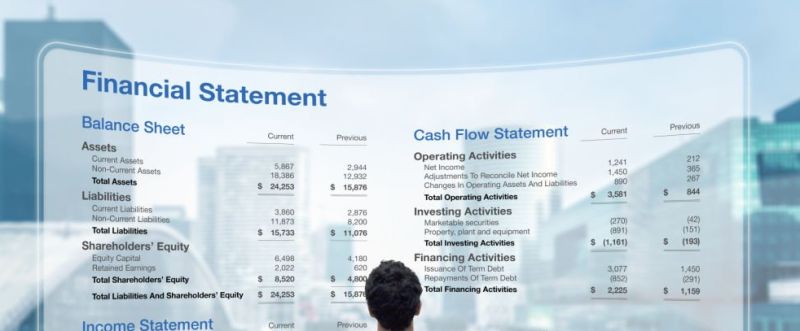
✅ Financial statements are official records that provide a summary of a BUSINESS financial performance and position. They typically include four main documents:
➤ Income Statement: ⤴️
Shows the company’s revenues, expenses, and profits over a specific period (Profit Performance).
➤ Balance Sheet: 🔝
Provides a snapshot of what the company owns (assets) and owes (liabilities) at a particular moment (Assets and Liabilities Position).
➤ Cash Flow Statement: ➕ ➖
Details the cash coming in and going out of the business, highlighting how cash is generated and used (Cash Performance and Cash Position = Bank Balances).
➤ Statement of Change in Equity: 🌀
Helps stakeholders understand how profits, dividends, and other factors affect the company’s equity over time (Net Result of Profit Performance and Assets and Liabilities Position, Net Accumulated balance = Assets – Liabilities).
🔁 𝐏𝐮𝐫𝐩𝐨𝐬𝐞:
To help stakeholders, like owners, potential investors and management, understand the company’s financial health and make informed decisions.
🔚 𝐎𝐭𝐡𝐞𝐫 𝐞𝐧𝐝 𝐮𝐬𝐞𝐫𝐬:
Banks, SARS (taxation) and Suppliers (computing BEE status).
❓ 𝐓𝐚𝐱 𝐂𝐨𝐦𝐩𝐮𝐭𝐚𝐭𝐢𝐨𝐧:
A Tax Computation can be provided as an annexure to the Financial Statements.